
Shifts In The F&B Operations
Q1. Could you start by giving us a brief overview of your professional background, particularly focusing on your expertise in the industry?
I have been in the F&B QSR for over 32 years. Skilled in people's development, operations excellence, market survey analysis, and P&L knowledge.
Q2. What is the one sector in Southeast Asian retail/F&B that is currently undervalued but primed for an operational turnaround?
The Mid-Market Casual Dining segment stands out as the most undervalued, primed for an operational turnaround.
Q3. With Cambodia launching commercial 5G in 2026, how are you re-engineering the QSR operational model to capture the operating income boost predicted for digitally transformed firms?
• Changing from proactive hospitality to predictive logistics.
• Front of house becoming the invincible Ordering, back of house will be the JIT, Just In Time kitchen
• Labor from conventional order takers to experienced hosts
Q4. How are companies recalibrating Site Selection Criteria (SSC) and lease negotiations to account for the shift in foot traffic from traditional commercial hubs to emerging 'second-tier' industrial centers?
Recalibrating is based on commuter heat mapping, infrastructure synergy, and micro-neighbourhood viability, and lease negotiating from fixed to fluid.
Q5. In your experience, what is the 'ideal' payback period for a new QSR unit in the Cambodian market today versus the Malaysian market, and why?
Estimated 24 months payback period in Cambodia compared to 36 months in Malaysia.
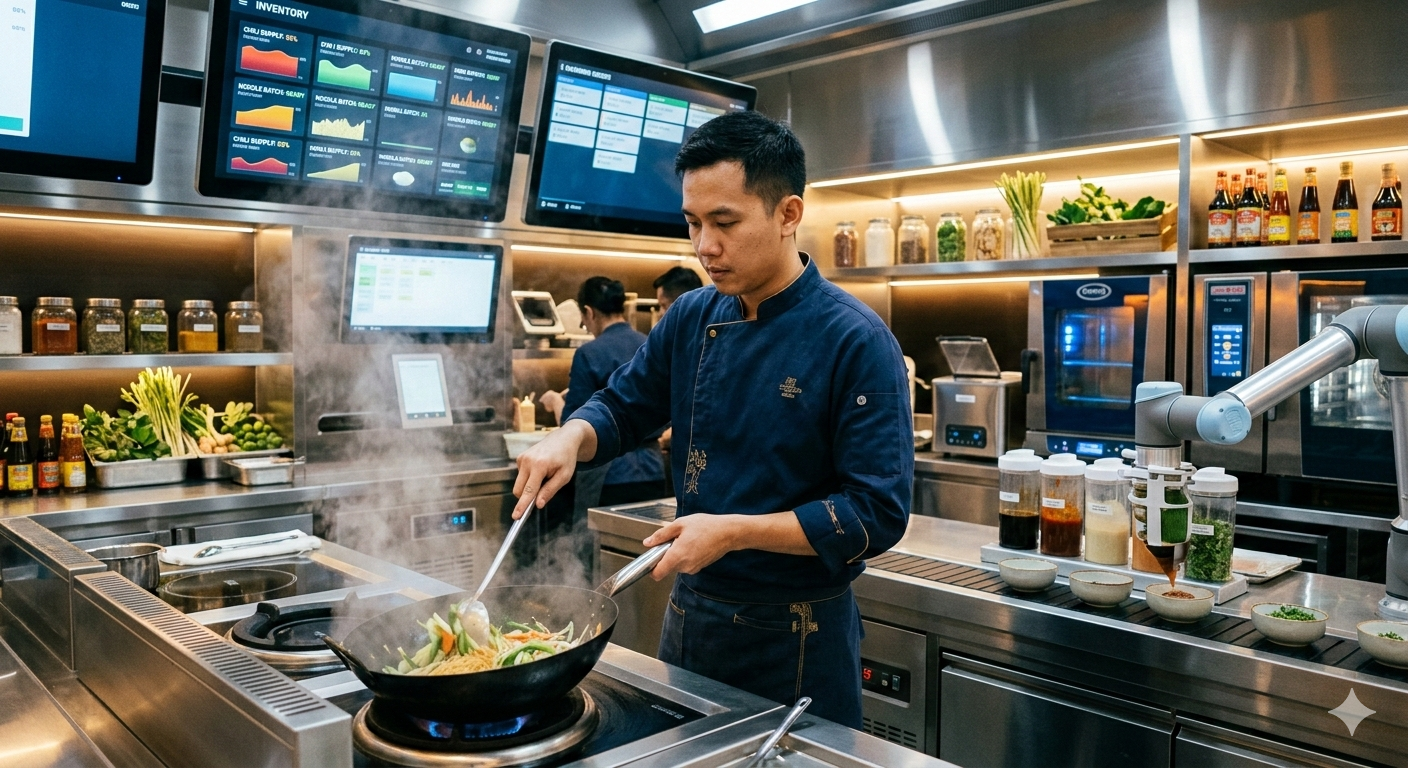
Q6. With Cambodian unions pushing for higher minimum wages in 2026 and a persistent shortage of skilled labor, what would work for de-skilling kitchen operations through automation while maintaining the high-touch 'People's Manager' culture you are known for?
Reduced manpower with a more efficient crew focusing on hospitality.
Q7. If you were an investor looking at companies within the space, what critical question would you pose to their senior management?
The ratio of displacement vs augmentation and managing the automation paradox.
Comments
No comments yet. Be the first to comment!