
Scaling Cell Therapy Beyond Promise
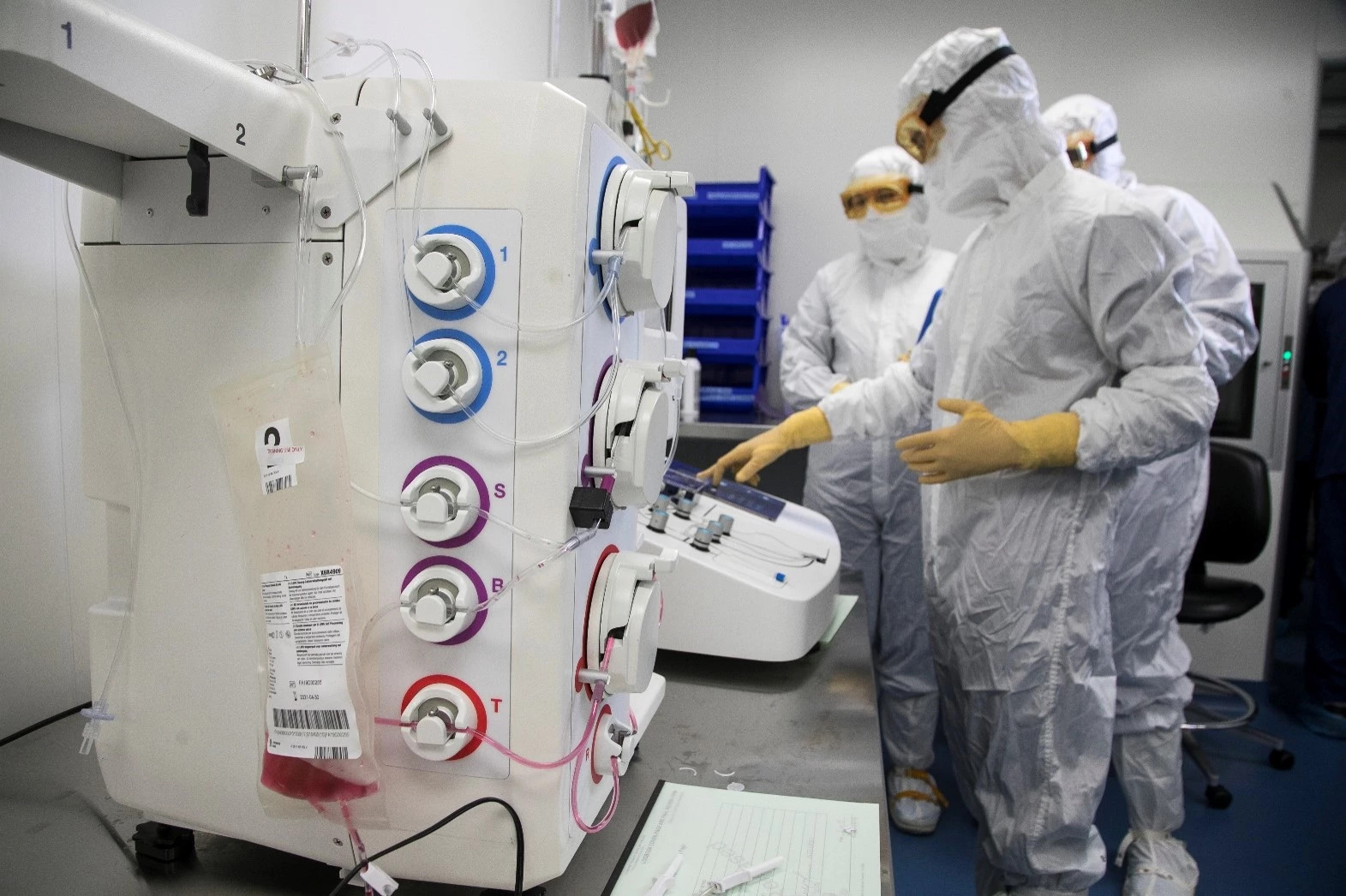
Q1. Looking back, how has your career evolved and shaped the way you approach your current role?
When I look back at my career, one of the biggest lessons I’ve learned is that implementation is never the finish line. Early on, I saw many organizations install QC labs and LIMS systems in GMP environments and feel like the job was done. But the real work actually starts after the system goes live.
What people often underestimate is everything that comes after. You have to manage data carefully, revalidate methods as processes evolve, retrain people again and again, and constantly prepare for audits and deviations. That ongoing effort is what truly defines operational success. Today, I approach my role with that long term mindset. I don’t just think about setting things up. I think about how they will hold up over time.
Q2. In cell therapy manufacturing, variability is inherent to the biology. Where does this variability most often translate into commercial or regulatory risk?
In my experience, variability becomes most visible and risky in assay validation. Cell based testing is inherently complex, and validation frameworks can sometimes create a sense of precision that the biology itself cannot fully support.
Unlike traditional pharmaceuticals, many cell based assays do not have pharmacopeial references to rely on. You can apply strong statistical methods and the data may look convincing, but statistics cannot eliminate biological variability. That gap between what looks robust on paper and what is biologically realistic is where regulatory and commercial risk often appears.
Q3. As more players enter advanced therapies, what subtle differences in quality architecture distinguish platforms that are built for scale from those that remain experimental?
One of the biggest differences I see is manufacturing readiness. It is relatively easy to produce a few successful batches and feel confident. But producing consistently at scale is a completely different challenge. Biology behaves differently when you scale up.
Platforms that are truly built for scale think beyond scientific proof of concept. They design their quality systems around process stability, scalability, affordability, and reliability. Those that remain experimental often focus primarily on getting batches to work without building the deeper structure needed for sustained commercial manufacturing.
Q4. In your experience, what kinds of regulatory feedback tend to signal deeper structural concerns rather than isolated documentation gaps?
From what I have seen, regulators become more concerned when they observe patterns that point to systemic weaknesses rather than simple documentation issues.
Take cleanrooms, for example. Failures rarely happen because the equipment is inadequate. More often, the problem is behavior. Poor gowning discipline, ignoring small deviations, weak control of material flow, or lack of proper supervision can slowly erode compliance. When those patterns emerge, it signals deeper structural concerns, not just paperwork gaps.
Q5. Market enthusiasm for cell based therapies can surge quickly. From a systems perspective, what tends to break first when growth expectations accelerate?
What tends to break first are potency assays. Early stage assays may work well in small studies, but when demand increases and commercial timelines tighten, weaknesses start to show.
Many of these assays are slow, difficult to reproduce, and challenging to transfer between sites. They often lack pharmacopeial reference methods as well. At commercial scale, speed and consistency matter far more than complexity. If the assay system was not designed with scale in mind, it becomes a bottleneck very quickly.
Q6. If you were guiding senior leadership assessing long term viability in regenerative medicine manufacturing, what structural signals would matter most in determining whether a platform can move beyond scientific promise into sustainable scale?
If I were advising senior leadership, I would tell them that GMP compliance alone is not enough. A facility can meet regulatory requirements and still struggle commercially.
What really matters is whether the process itself is stable, scalable, affordable, and reliable. Can it consistently meet acceptance criteria without constant firefighting. Can it operate predictably as volumes increase. Those are the structural signals that determine whether a platform can move beyond scientific promise and become commercially sustainable.
Comments
No comments yet. Be the first to comment!